How to Drive Traffic to a Newly Launched Amazon Product

Contents expand_more
So, you’ve poured your heart, soul and a not-insignificant amount of capital into launching your new product on Amazon. Exciting times! But then comes the silence. The deafening quiet of a listing lost in the digital ether, waiting for its first visitor, its first sale. If you’re staring at a flat traffic graph wondering how on earth you can start building momentum, you’re in the right place. Getting those first “eyes” on your newly created product page isn’t just important; it’s the lifeblood of your launch. Without traffic, there are no sales, no reviews, no climb up the search ranking. It’s the classic chicken-and-egg dilemma, isn’t it?
Many sellers I speak to feel this frustration intensely. They’ve done the hard yards of product development and sourcing, only to feel like they’ve hit a wall. But here’s the good news: driving traffic to a new Amazon product is entirely achievable. It requires a strategic, multi-faceted approach and a willingness to be proactive from day one. It’s not about hoping for the best; it’s about making it happen. Let’s explore the practical strategies you can implement right now to turn that trickle of traffic into a respectable stream, setting your product up for the success it deserves.
🔨 Laying the Foundations: Your Listing Is Your Shop Window
Before you even think about spending a cent on ads or driving external traffic, ask yourself: is your listing actually ready for visitors? It sounds obvious, I know, but you’d be amazed how many sellers trip over this first hurdle. Your product listing isn’t just a placeholder; it’s your digital salesperson, your packaging and your shop window, all in one. If it isn’t compelling, if it doesn’t convert, any traffic you send to it will simply be wasted.
Optimise for Search AND Conversion:
Keyword Research Is King (and Queen, and the Entire Royal Court): You need to know what terms your ideal customers are typing into the Amazon search bar. Don’t guess. Use reputable keyword research tools (Helium 10, Jungle Scout, MerchantWords – pick your favourite) and dig deep. Look for relevant, high-volume keywords, but don’t neglect the longer-tail keywords either, which can signal strong buying intent. Think like your customer. What problem does your product solve for them? Use their language.
Compelling Title: Your title is prime real estate. It should incorporate your main keywords naturally, but also entice the click. Make it clear, concise and benefit-focused.
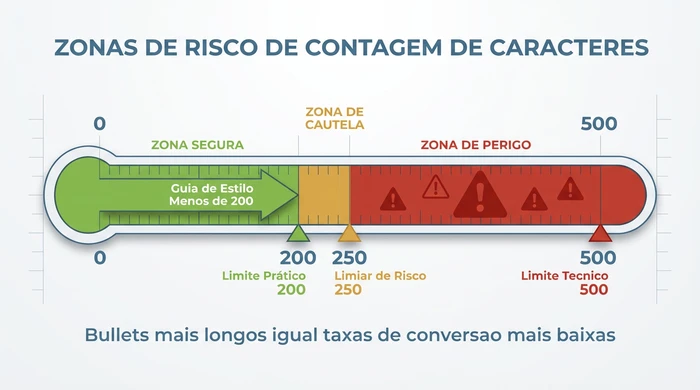
Benefit-Focused Bullet Points: These aren’t just for listing features. Each bullet point should scream a benefit. How does that feature make your customer’s life better, easier or more enjoyable? Use all five bullets and make them count.
Persuasive Description: This is your opportunity to tell a story, overcome objections and reinforce your value proposition. Break up the text, use bold for emphasis and make it easily scannable (scannable).
High-Quality Images and Videos: In an online world, your images are your product. Invest in professional photography. Show your product from every angle, in use, and highlight key features. A+ Content (if you’re Brand Registered – and that should be your goal) takes this even further, allowing for a richer, more engaging brand story right on your listing. It’s a game-changer for conversion.

🔥 Lighting the Fire: Amazon PPC from Day One
Organic traffic is wonderful, the holy grail even. But for a new product with no sales history and no reviews? Waiting for organic traffic is like waiting for rain in a desert. You need to be proactive, and that means Amazon Pay-Per-Click (PPC).
I often hear sellers say: “I’ll wait for a few organic sales and then start with PPC.” Frankly, that’s putting the cart before the horse. For a new product, PPC isn’t just an advertising tool; it’s a launch tool. It provides immediate visibility, drives those crucial first sales and helps Amazon’s algorithm understand what your product is about. If you’re not yet familiar with the basics, see our Amazon PPC guide for beginners.
Your Initial PPC Campaign Structure:
Start with Sponsored Products: These are the most common ad type and appear directly in search results and on product pages.
Automatic Campaigns: Let Amazon do some of the early legwork. It will match your product to customer search terms it considers relevant. This is an excellent way to gather new and unexpected keywords you may have missed in your manual research. Keep an eye on the Search Term Report and pull out the high performers (and negate the irrelevant ones!).
Manual Campaigns (Broad, Phrase, Exact Match): Don’t rely on automatic alone. Set up manual campaigns targeting the keywords you identified in your research. Start with broader (broad) matches to gather data, then refine to phrase and exact as you see what converts.
Broad Match: Gives Amazon more leeway to match your ad to a wider range of searches. Good for discovery, but can attract irrelevant clicks if not managed.
Phrase Match: Your ad is shown for searches that include your exact phrase, or close variations.
Exact Match: Your ad is only shown for searches that exactly match your keyword. Greater relevance, often higher conversion, but lower volume.
Bidding Strategies for Launch:
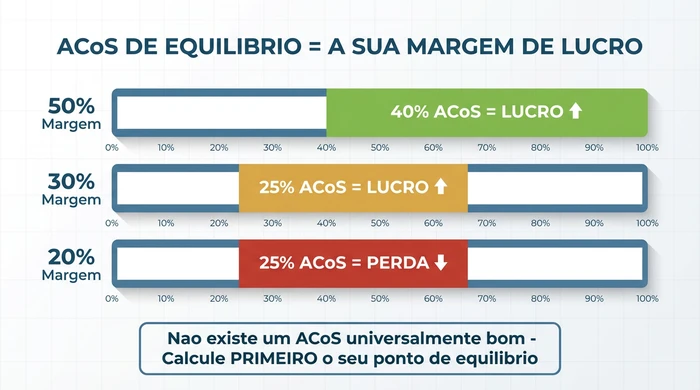
- For a new product, your initial goal isn’t necessarily ACoS (Advertising Cost of Sale) efficiency. It’s visibility and sales velocity. You may need to bid more aggressively than you would for an established product. Consider “Dynamic bids - up and down” or even fixed bids initially to ensure your ads are getting impressions.

🎁 Sweetening the Deal: Promotions and Vouchers
Everyone loves a good deal, right? For a new product, promotions and vouchers can be powerful psychological triggers to encourage those crucial first sales. Those early sales don’t just bring in revenue; they influence your Best Seller Rank (BSR) and, importantly, open the door to the first reviews.
Percentage Discount: A straightforward discount (for example, “15% off for the first 2 weeks!”). This can be very effective at grabbing attention.
Vouchers (Coupons): These appear as little orange badges in the search results page and on your product page. They are highly visible and can significantly improve your Click-Through Rate (CTR).
Don’t keep them running indefinitely. Use them strategically for your launch period (say, the first 2 to 4 weeks) to build that initial momentum. The cost of the discount can be seen as a marketing investment, similar to your PPC spend. Remember, a slightly lower margin on your first 50-100 sales is a small price to pay if it helps your product gain a foothold and start ranking organically.

🗺️ Beyond Amazon’s Walls: Driving External Traffic (With Care)
Driving traffic from outside Amazon (for example, social media, your email list, influencer collaborations) can be a tempting proposition. And it can work. However, for a brand-new product, you need to be careful.
The Pros:
- Access to a different audience.
- Potential for buzz and brand building.
- Can attract highly qualified, motivated buyers.
The Cons (especially for new listings):
- Conversion Is Everything: If your Amazon listing isn’t fully optimised and proven to convert yet, sending external traffic to it can be like pouring water into a leaking bucket. Amazon assigns significant weight to conversion rate in its ranking algorithm. Lots of traffic with few sales can actually harm your listing.
- Cost: External traffic campaigns can be expensive, especially if you’re paying influencers or running ads on platforms like Facebook or Google.
My advice? Focus first on optimising your listing and fine-tuning your Amazon PPC campaigns. Once you have some sales data and are confident your listing converts well, start experimenting with external traffic. And when you do, use Amazon Attribution. This programme lets you create special tracking URLs so you can see exactly which external sources are generating sales. This data is gold.

🤝 The Social Proof Engine: Encouraging the First Reviews
Reviews are the bedrock of trust on Amazon. How often do you buy a product with zero reviews, or with overwhelmingly negative ones? Rarely, I’d wager. For a new product, getting those first legitimate reviews is a huge hurdle, but absolutely critical for building buyer confidence and improving conversion rates.
How to Get the First Reviews (The Ethical Way!):
Amazon Vine Programme: If you’re Brand Registered, Vine is an excellent option. Amazon invites trusted reviewers (Vine Voices) to receive your product for free in exchange for an honest review. These reviews are clearly marked as Vine Voice reviews, which adds to their credibility. There’s a cost to enrolling a product, but for those crucial early reviews, it can be worth its weight in gold.
‘Request a Review’ Button: Within Seller Central, on the order details page, there’s a button that lets you send a standardised review request to customers (once per order, between 5-30 days after delivery). Use it! It’s compliant with Amazon’s terms of service and can nudge those happy customers who otherwise wouldn’t have thought to leave a review.
Exceptional Product and Customer Service: This shouldn’t need to be said. A brilliant product and a great customer experience are the most natural ways to earn positive reviews. If a customer has a problem, resolve it promptly and professionally.
What NOT to do: Never, ever incentivise reviews, buy fake reviews or manipulate the review system in any way. Amazon is incredibly sophisticated at detecting this, and the penalties can be severe – from listing suspension to account closure. It’s simply not worth the risk.

📈 The Long Game: Monitor, Analyse, Adapt
Launching a product on Amazon isn’t a “set it and forget it” affair. Driving traffic and growing sales is an ongoing process of monitoring your performance, analysing the data and adapting your strategy. What works today may not work tomorrow, and what works for one product may not work for another.
Key Metrics to Watch:
- Impressions: Are your ads and listings actually being seen?
- Click-Through Rate (CTR): Of those who see your ad/listing, what percentage click? A low CTR can indicate problems with your main image, title, price or review count.
- Conversion Rate (CVR): Of those who click, what percentage buy? A low CVR points to problems with your listing content, price or lack of reviews.
- ACoS (Advertising Cost of Sale) & TACoS (Total Advertising Cost of Sale): How much are you spending on ads relative to the sales they generate? TACoS gives you a broader view by including organic sales as well.
- Keyword Ranking: Where are your important keywords positioned in search? Monitor this regularly.
Don’t be afraid to experiment. Test different keyword strategies, ad copy, bidding approaches and even prices (within reason). The Amazon marketplace is dynamic, and your ability to adapt will be a fundamental determinant of your long-term success.
🏁 It’s a Marathon, Not a Sprint
Driving traffic to your newly launched Amazon product requires a concerted effort on multiple fronts. There’s no single magic bullet. It’s about building a solid foundation with an optimised listing, kick-starting visibility with smart PPC, attracting those first sales with promotions, carefully nurturing reviews, and then relentlessly monitoring and optimising.
It may seem like a lot, especially when you’re starting out with a new product. But remember, every successful product on Amazon started with zero sales and zero reviews. Your journey is just beginning. Focus on these strategies, stay persistent, and you’ll give your product the best possible chance to not just survive, but thrive in the competitive Amazon marketplace. You’ve got this.